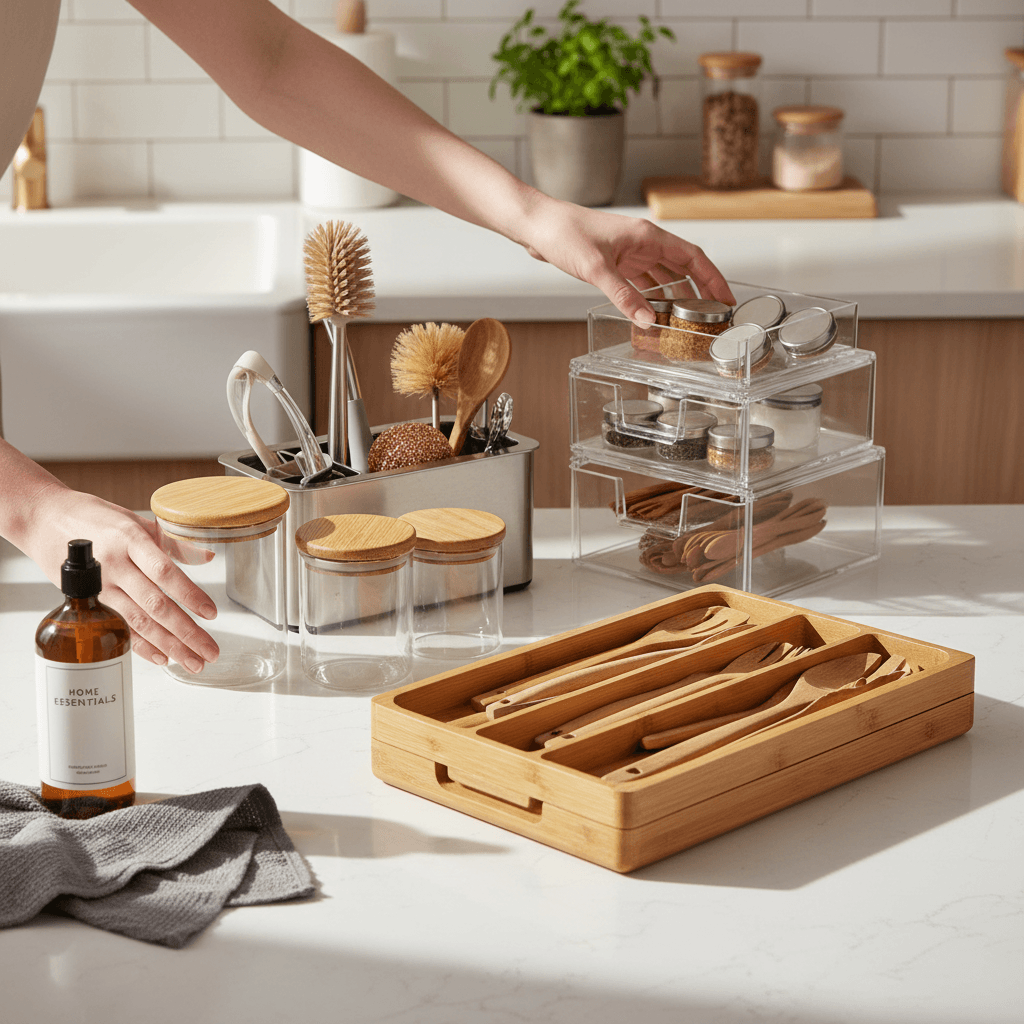
Eliminating recurring expenses like unused subscriptions and high-markup convenience items such as precut produce and bottled water is the fastest way to reduce spending. These are essential things to stop buying to save money; instead, opting for generic brands and multi-purpose tools can lead to significant long-term savings.
We all feel the subtle drain of a budget that never seems to stretch quite far enough, despite a steady income. It is rarely the large purchases that disrupt your financial goals, but rather the cumulative effect of small, recurring convenience expenses that offer little long-term value. Mastering your finances requires a shift from mindless consumption to intentional investment in quality. In this guide, we will analyze ten common items you should stop buying immediately to reclaim your capital. You will learn how to navigate the pitfalls of precut produce, eliminate the waste of single use cleaning supplies, and transition from cheap seasonal gear to durable pieces that stand the test of time. It is time to refine your spending habits for a more efficient, sophisticated lifestyle.
The Real Cost of Convenience: Why We Overspend on Daily Essentials
Financial stability often erodes not through major luxuries, but through the cumulative weight of small, recurring convenience purchases. These minor expenses represent a death by a thousand cuts for the household budget, where paying a premium for ease slowly drains savings. In Fillmore, our community values self-reliance and the grit required to maintain a home and lifestyle. We understand that every dollar spent on a high-markup disposable item is a dollar taken away from long-term security and meaningful investments.
At Snow Shops, we advocate for a straightforward shopping experience built on utility and lasting value rather than impulse. We believe that identifying specific things to stop buying to save money is the first step toward a more intentional lifestyle. Our curated selection of products prioritizes items that solve problems without creating new financial burdens.
This guide identifies high-markup essentials that offer little return on investment. By understanding the true cost of convenience, you can transition toward practical household items that save you money over the long haul. We will focus on durable, multi-functional alternatives that eliminate the need for constant, wasteful replenishment while providing superior performance in the home and workshop.
Stop Buying Precut Produce and Single Serve Snack Packs
The grocery store is often the first place where the convenience tax erodes a household budget. Pre-chopped fruit bowls, bagged salads, and individual snack packs represent a massive markup for a service you can easily perform yourself. In many cases, these items cost two to three times more per ounce than their bulk, whole counterparts. For those looking for things to stop buying to save money, these high-markup perishables are the most logical starting point.
Item Type | Convenience Option Price | Whole/Bulk Alternative | Estimated Savings |
|---|---|---|---|
Fruit | $5.00 Pre-cut Melon | $2.50 Whole Melon | 50% |
Vegetables | $4.00 Bagged Salad | $1.25 Head of Lettuce | 68% |
Snacks | $6.00 (10pk) Chips | $3.50 Family Size Bag | 42% |
The Smarter Swap is simple: buy whole produce and invest in a set of high-quality, reusable storage containers. Home preparation does not need to be a chore. A one-time investment in a professional-grade chef’s knife or a pair of heavy-duty kitchen shears can reduce prep time to just minutes. By dedicating a small window of time to portioning out snacks and vegetables, you bypass the need for expensive, single-use packaging.
This shift does more than just lower your weekly grocery bill; it significantly reduces plastic waste and aligns with a more organized, less cluttered lifestyle. A straightforward shopping experience focuses on the raw utility of the food rather than the branding of the box it comes in. Transitioning to whole foods ensures you are paying for nutrition, not the plastic that surrounds it. This mindset of eliminating waste extends naturally from the kitchen to the rest of the home, particularly regarding how we maintain it.
Eliminate Single Use Cleaning Supplies and Paper Products
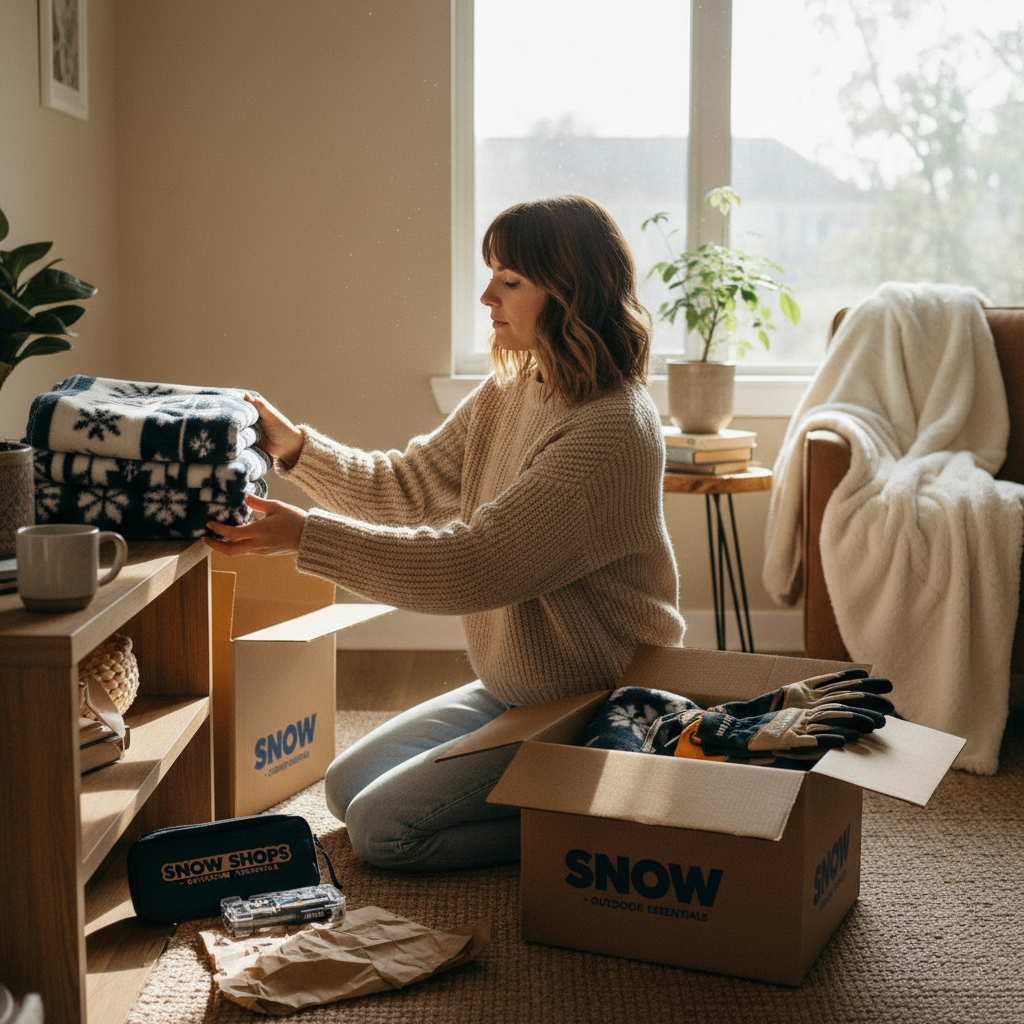
Transitioning from food prep to maintenance, the next category of waste involves the supplies used to keep your home functional. Disposable cleaning wipes, paper towels, and single use floor pads are designed for planned obsolescence. These are recurring costs that never end. For a household in Utah, where seasonal cleaning is intense due to winter salt and spring mud, these items are prominent things to stop buying to save money.
Adopting a commercial grade approach is a more effective way to manage your budget. Instead of replenishing plastic canisters of wipes, invest in a bulk pack of high quality microfiber cloths and a professional grade spray bottle. A simple DIY solution of water and vinegar handles the majority of household surfaces with more efficacy than chemical heavy disposables. The durability of microfiber allows for hundreds of wash cycles, effectively eliminating the need for paper products in the workshop or kitchen.
Cleaning Item | Disposable Cost (Annual Est.) | Durable Alternative | Initial Investment |
|---|---|---|---|
Paper Towels | $150 to $250 | Microfiber Cloths (24pk) | $20 |
Floor Pads | $60 to $100 | Washable Mop Pads | $15 |
Surface Wipes | $80 to $120 | DIY Spray + Cloth | $5 |
Moving from disposable to washable products transforms cleaning from a recurring bill into a one time utility purchase. This shift aligns with a straightforward shopping experience by focusing on tools that work rather than products that run out. By choosing a curated selection of products that offer long term durability, you ensure your home maintenance remains efficient and affordable.
Rethink Your Subscription Services and Storage Units
While cleaning supplies represent a physical drain, digital and spatial clutter represent a silent financial leak. Many households pay $15 to $50 monthly for streaming platforms, apps, or memberships they rarely use. If you are asking, "What to avoid to save money?" start with a rigorous audit of your monthly bank statements. Identifying these automated renewals as things to stop buying to save money allows you to reclaim hundreds of dollars annually.
Physical storage units are an even more significant waste of capital. Paying $100 or more per month to house items you cannot fit in your home is a recurring tax on indecision. Instead of paying for a secondary location, focus on practical household items that save you money by maximizing the footprint you already own. Heavy duty shelving and modular organizers transform cluttered garages into functional spaces. At Snow Shops, we believe a straightforward shopping experience should lead to owning fewer, higher quality items rather than a mountain of excess. By choosing a curated selection of products that serve multiple needs, you eliminate the need for external storage and stop the cycle of paying rent on things you do not use.
Ditch Single Purpose Kitchen Gadgets for Multi Functional Tools
Eliminating external storage is only half the battle; the next step is clearing the clutter within your home, specifically in the kitchen. Many drawers are filled with kitchen crutches like avocado slicers, electric egg cookers, and specialized garlic presses. While these novelty items promise ease, they are prominent things to stop buying to save money because they perform tasks that a simple chef's knife or a fork can handle just as effectively. These single purpose tools occupy valuable real estate and often break long before their multi-functional counterparts.
Instead of a drawer full of plastic gadgets, focus on everyday home essentials that offer high utility across various tasks. A well seasoned cast iron skillet can sear, bake, and fry, effectively replacing three or four specialized pans. Similarly, a solid toaster oven provides a versatile alternative to smaller, niche appliances. When you invest in a curated selection of products designed for longevity, you reduce the need for constant replacements and secondary storage solutions.
Single Purpose Gadget | Multi Functional Alternative | Primary Benefit |
|---|---|---|
Egg Cooker | Stainless Steel Pot | Saves space; boils, steams, and blanches. |
Avocado Slicer | Chef’s Knife | Superior edge; handles all produce prep. |
Garlic Press | Microplane or Knife | Easier to clean; multi-use for zest or spices. |
A straightforward shopping experience prioritizes tools that work harder for you. By choosing practical household items that save you money over time, you build a kitchen that is efficient rather than crowded. High quality, multi-functional tools outperform a dozen cheap gadgets every time, providing reliable performance through years of daily use.
Stop Buying Bottled Water and Specialty Coffee Daily
Moving from the kitchen drawers to the morning routine, the most pervasive financial drains are often found in a cup. Daily coffee shop visits and bottled water cases represent significant markups on commodities you can easily manage at home. A $4.50 specialty latte, purchased just five days a week, totals over $1,100 annually. By contrast, investing in a reliable home brewer and a high quality insulated tumbler reduces that daily cost to roughly $0.35 per serving.
Beverage Source | Daily Cost | Annual Cost (260 days) | Potential Savings |
|---|---|---|---|
Specialty Coffee Shop | $4.50 | $1,170.00 | - |
Home Brewed Coffee | $0.35 | $91.00 | $1,079.00 |
Bottled water follows a similar logic. Paying for plastic bottles is paying for the packaging and logistics of a resource available from your tap. For those active in Fillmore’s outdoor landscape, a filtration pitcher paired with a reusable stainless steel bottle is a superior utility choice. A straightforward shopping experience involves identifying these recurring leaks and replacing them with a curated selection of products that offer permanent solutions. Choosing practical household items that save you money ensures you are prepared for a day in the field or the workshop without the unnecessary premium of convenience branding. These shifts represent one of the most effective things to stop buying to save money because the benefits are realized immediately in your monthly cash flow.
Cheap Seasonal Gear vs. Durable Investment Pieces
The transition from daily beverage costs to long-term equipment maintenance highlights a final, significant drain on household funds. Many consumers fall into the trap of buying disposable seasonal gear, such as flimsy snow shovels, thin winter gloves, or light-duty gardening tools. These are prominent things to stop buying to save money because their low initial price point disguises a high lifetime cost. In Fillmore, our climate puts equipment to the test. A cheap plastic shovel that snaps during a heavy February freeze requires immediate replacement, often at a peak-season premium.
Item Type | "Disposable" Annual Cost | Durable Investment | 5-Year Savings |
|---|---|---|---|
Snow Shovel | $20 (replacing yearly) | $60 (heavy-duty) | $40 |
Work Gloves | $15 (tearing yearly) | $45 (reinforced) | $30 |
Hand Trowel | $8 (bending yearly) | $25 (forged steel) | $15 |
A straightforward shopping experience prioritizes straightforward utility and build quality over novelty or low-tier convenience. By investing in a curated selection of products designed for professional use, you break the cycle of annual replenishment. Choosing practical household items that save you money ensures that your tools last through multiple Utah winters. Buying a better version once is consistently cheaper than buying a failing version repeatedly.